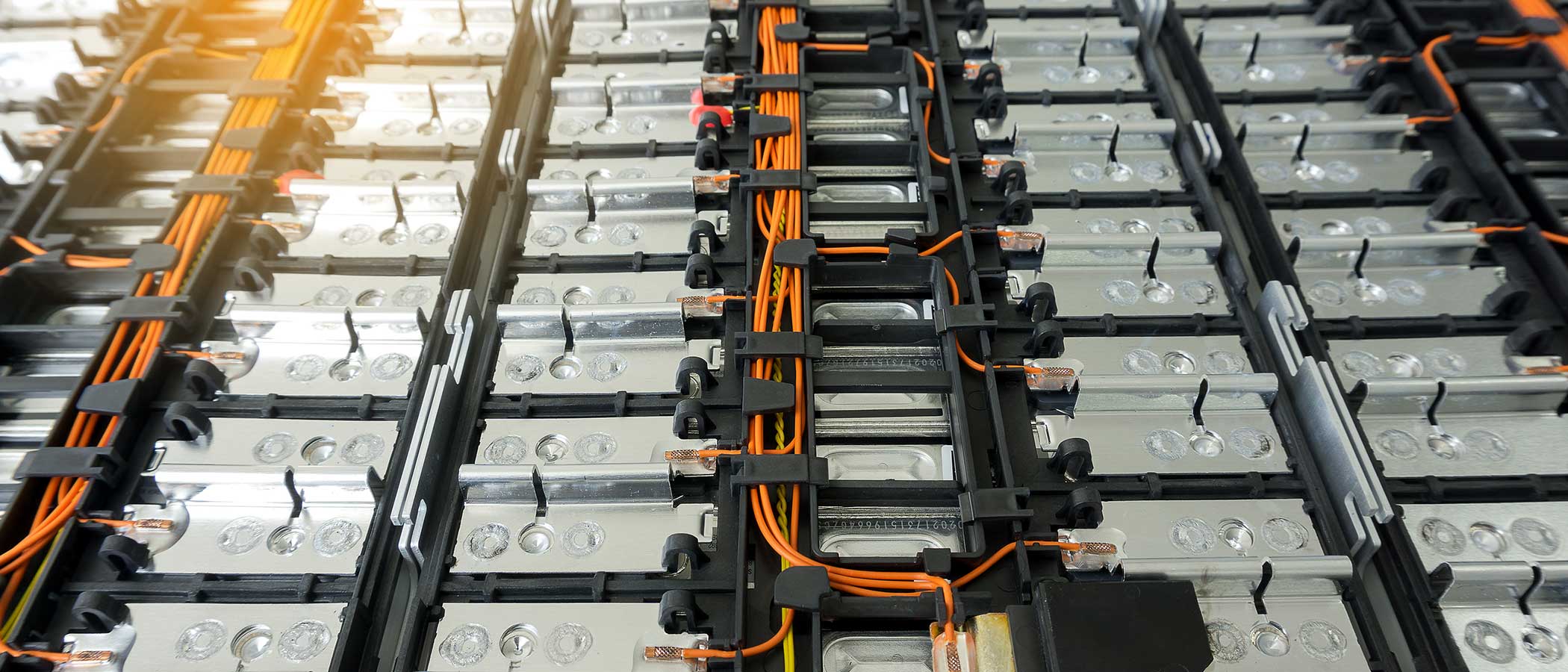
Lithium-ion battery fire and thermal runaway testing produces a complex mixture of gases and vapours that can change rapidly throughout a test. FTIR is particularly suited to this application because a complete infrared spectrum is collected continuously, allowing multiple gas species to be identified and quantified from a single analyser. Protea's existing battery fire application includes electrolyte carbonate vapours such as DMC, EMC, DEC, PC, EC and VC, together with gases including HF2 HCl, CO and CO2
Protea atmosFIR provides a complete FTIR gas analysis solution for battery fire and thermal runaway testing. Rather than supplying only an FTIR spectrometer, Protea develops the analyser, gas-cell optics, analytical software and sampling-system controls, allowing a complete measurement system to be configured around the application. The atmosFIR platform also provides high-resolution FTIR measurement, multiple analytical ranges and Protea's PAS-Pro chemometric analysis for measurement of complex multi-component gas mixtures.
Battery testing covers a wide range of research and safety requirements, from understanding the gases generated during thermal runaway through to measuring hazardous gases and electrolyte vapours during full battery fire tests. Protea has developed dedicated FTIR solutions for these different areas of battery testing, combining the measurement capability of atmosFIR with application-specific sampling and gas analysis. The following applications provide more detail on the use of FTIR for battery testing.
Lithium-ion Battery Thermal Runaway Gas Analysis by FTIR
Thermal runaway in lithium-ion batteries can produce a complex and rapidly changing mixture of gases and vapours.

Measuring HF and Electrolyte Carbonates During Battery Fires
Battery fires can produce a complex mixture of toxic, corrosive and combustion gases alongside electrolyte vapours.
FTIR Gas Analysis for EV Battery Fire Testing
EV battery fire testing requires measurement of a complicated gas mixture that can change significantly as cells and battery packs progress through heating, venting, thermal runaway and fire.
FTIR for Battery Abuse and Thermal Runaway Testing
Battery abuse testing is used to investigate what happens when battery cells, modules or packs are driven into abnormal and failure conditions