Protea News
15th September 2026 - Three Months Into UK ETS Maritime & Emissions Data Moves To The Heart Of Shipping Compliance
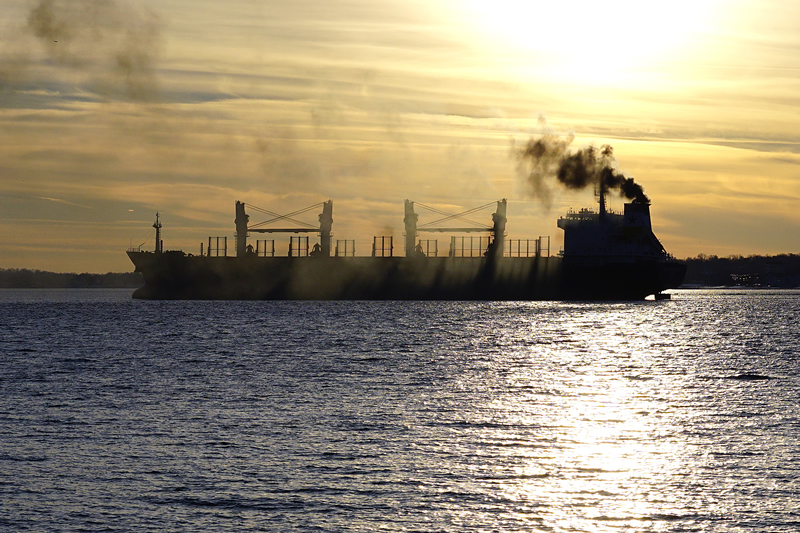
Three months after the UK Emissions Trading Scheme was extended to domestic maritime transport, the focus for ship operators is shifting from preparing for the new regime to demonstrating that the emissions data underpinning compliance is accurate, robust and verifiable.
Read More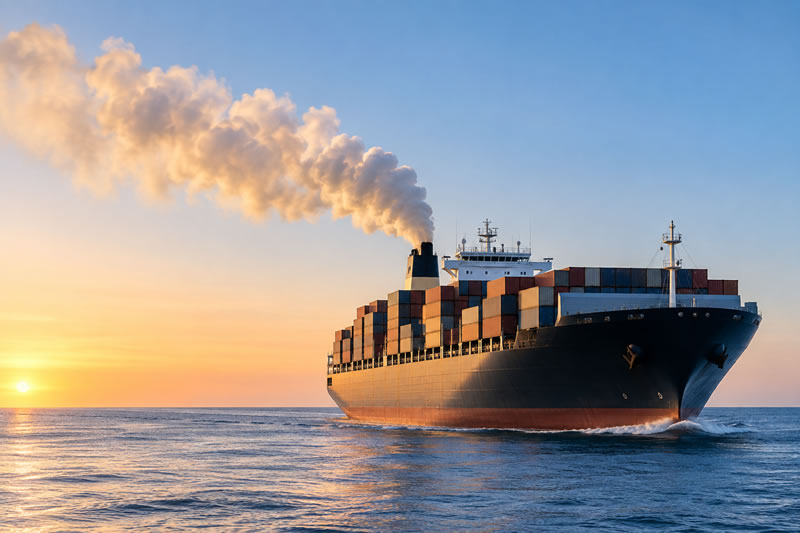
29th August 2026 - Rising Methane Emissions Put Maritime Monitoring In The Spotlight
New European shipping data has highlighted a significant shift in the maritime emissions landscape, with reported methane emissions rising sharply in 2025 while CO2 emissions remained comparatively stable. Analysis of EU Monitoring, Reporting and Verification (MRV) data indicates that reported methane emissions from shipping increased by approximately 30% in 2025, from around 66,000 tonnes to 85,000 tonnes. Over the same period, reported CO2 emissions increased much more modestly, from approximately 148 million tonnes to 151 million tonnes.
Read More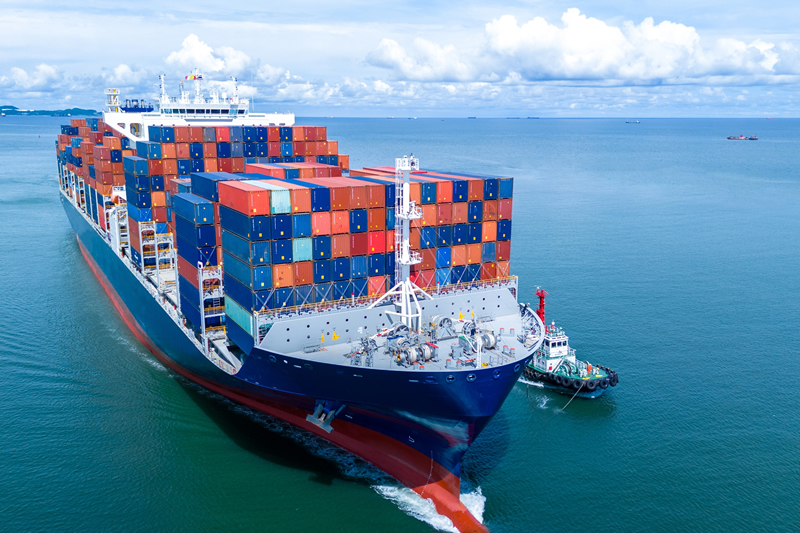
1st August 2026 - EU ETS Reforms Put Emissions Measurement Firmly In Focus
The European Commission has proposed a targeted revision of the EU Emissions Trading System (EU ETS), designed to strengthen European industrial competitiveness while supporting delivery of the EU’s 2040 climate target. The proposals reinforce the EU ETS as a key mechanism for encouraging investment in industrial decarbonisation. Additional financial support is expected through initiatives including a new Industrial Decarbonisation Bank, an **Investment Booster**, and continued funding through the Innovation Fund and Modernisation Fund.
Read More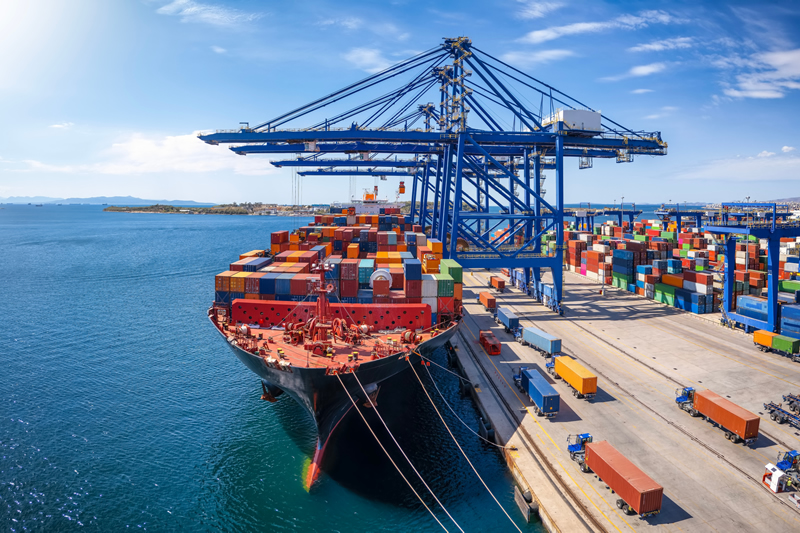
13th July 2026 - Europe Places Maritime Competitiveness At The Centre Of New Industrial Strategy
The European Commission has unveiled a new Industrial Maritime Strategy designed to strengthen the competitiveness, resilience and sustainability of Europe's maritime sector, placing shipping, ports and maritime manufacturing at the heart of the region's industrial future.
Read More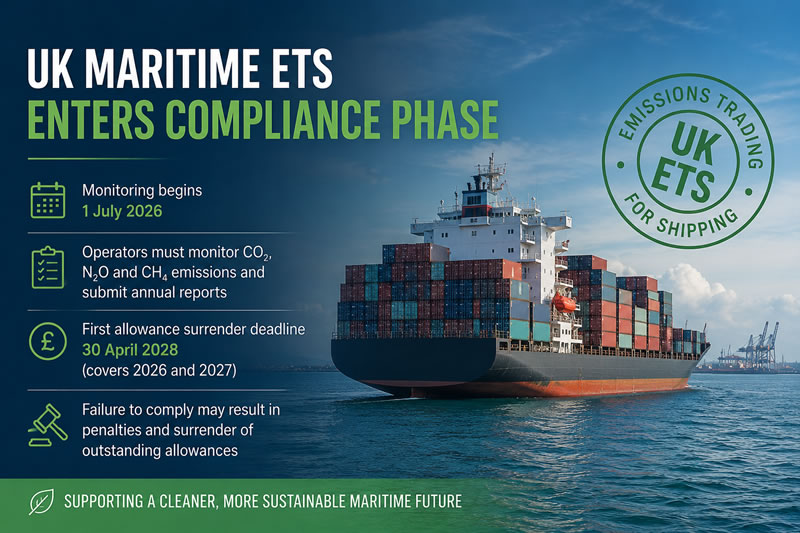
1st July 2026 - UK Maritime ETS Enters Compliance Phase
Ship operators will be required to begin monitoring emissions under the UK Emissions Trading Scheme (UK ETS) from 1 July 2026, following new guidance issued by the Environment Agency.
Read More
20th April 2026 - Ammonia Emissions Under Scrutiny & The Role of Advanced Monitoring In Addressing UK Pollution Hotspots
Recent findings reported in the news have brought renewed attention to ammonia (NH3) emissions across the UK, identifying pollution hotspots concentrated near intensive pig and poultry farming. The data highlights a growing environmental challenge, one that demands not only policy focus, but precise, reliable measurement to enable effective mitigation.
Read More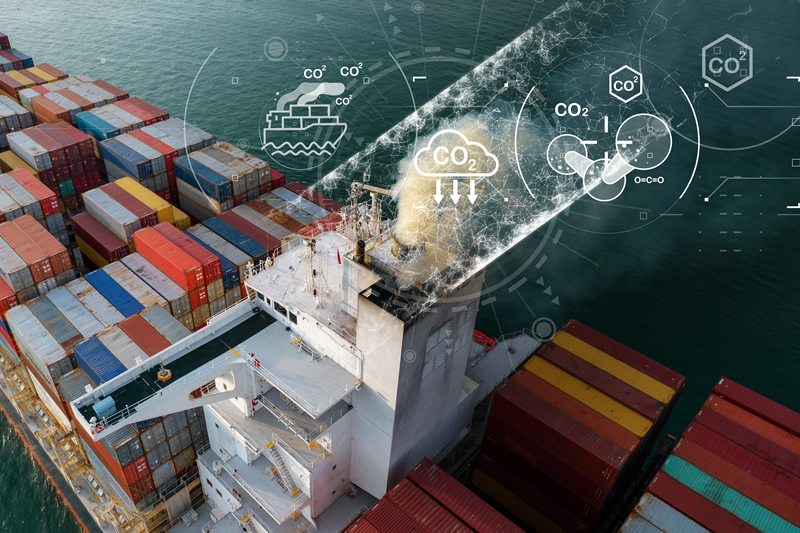
2nd March 2026 - The EU Emissions Trading System ETS In A Nutshell
The European Union Emissions Trading System (EU ETS) is the EU’s flagship carbon pricing mechanism. Introduced in 2005, it was the world’s first international carbon market and remains one of the largest globally. At its core, the EU ETS requires polluters to pay for their greenhouse gas (GHG) emissions. By putting a price on carbon, it helps drive emissions reductions while generating funding to support the transition to a low-carbon economy.
Read More
26th February 2026 - Rising Carbon Costs Drive The Need For Accurate Emissions Management In European Shipping
Owners and operators of vessels over 5,000 GT trading in Europe now face significantly increased compliance costs following the full implementation of the EU Emissions Trading System (EU ETS).
Read More
16th January 2026 - Carbon Capture Utilisation & Storage (CCUS) In 2026
Here are the five key areas to watch for in Carbon Capture, Utilisation and Storage (CCUS) in 2026 with critical indicators of how the sector could evolve this year and shape decarbonisation strategies globally.
Read More
1st December 2025 - Global Underground CO2 Storage Data Offers Hope Amid Rising Emissions
Scientists have, for the first time, published a comprehensive record of how much carbon dioxide (CO2) has been permanently stored underground worldwide using carbon capture and storage (CCS). The new report from the London Register of Subsurface CO2 storage shows that since 1996 over 383 million tonnes of CO2 have been safely sequestered, roughly equivalent to taking 81 million cars off the road for a year.
Read More
4th November 2025 - IMO Postpones Adoption Of Global Net-Zero Shipping Framework
The International Maritime Organization (IMO) has postponed the adoption of its landmark Net-Zero Framework (NZF) for global shipping by one year, following a contentious vote at the Marine Environment Protection Committee’s (MEPC) extraordinary session in London.
Read More
3rd October 2025 - Pioneering Carbon Capture Projects Ready For Construction
500 new skilled clean energy jobs will be created in North Wales and the North West as two pioneering carbon capture projects move into construction. The UK’s first carbon capture-enabled cement plant at Padeswood and one of the world's first full-scale carbon capture waste-to-energy plants in Ellesmere Port, have now signed final government contracts to begin building. Together, these projects will open up highly skilled roles for engineers, construction workers, technicians, and health and safety specialists.
Read More
1st September 2025 - Methanol & Ammonia Deemed Ready As Zero-Emission Shipping Fuels
Methanol and ammonia have moved from theory to practical application as zero-emission fuels for shipping, according to a new report from the Global Maritime Forum’s Getting to Zero Coalition. The study, From Pilots to Practice: Methanol and Ammonia as Shipping Fuels, draws on insights from around 40 major industry organisations. It concludes that methanol is now ready for low-carbon operation, while ammonia has reached the piloting stage.
Read More
13th August 2025 - Carbon Capture Storage Reaching A Turning Point In Decarbonisation
Carbon capture and storage (CCS) is emerging as a critical tool in the global push toward net-zero emissions—particularly for hard-to-abate sectors such as cement, steel, and chemical manufacturing, where alternative decarbonisation options are limited. While CCS has struggled to scale in the past, new momentum suggests that is changing.
Read More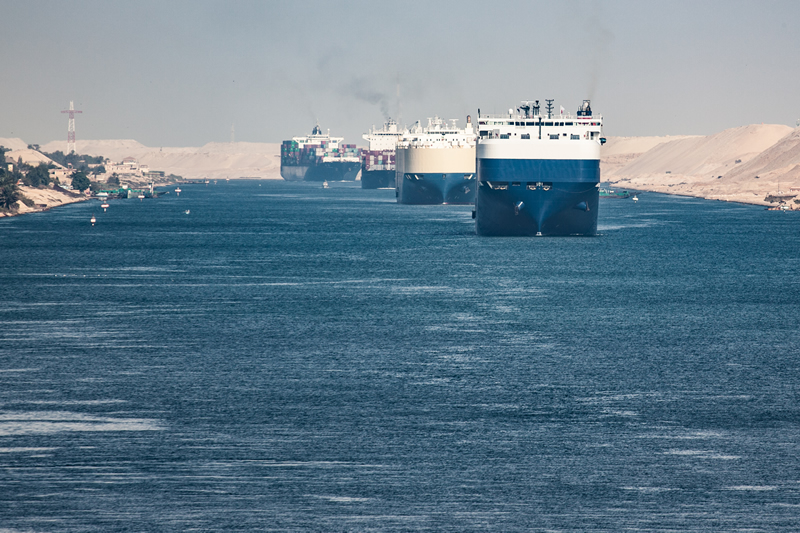
29th July 2025 - CCS To Capture 15% Of Shipboard Carbon Emissions By 2050
Industrial carbon capture and storage (CCS) is set to surge with forecasts of a fourfold increase in capacity by 2030 backed by $80 billion in investment. The momentum is expected to continue through 2050 with the shipping industry playing a growing role.
Read More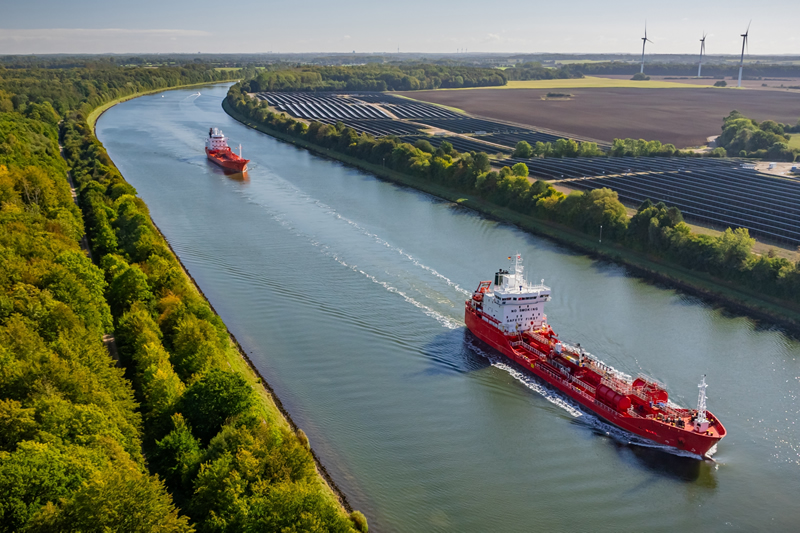
21st July 2025 - Global Shipping Industry Struggles To Navigate Net Zero Transition
The shipping sector, responsible for 3% of global emissions, is under growing pressure to decarbonise. Upcoming International Maritime Organization (IMO) rules require shipowners to cut emissions by 65% by 2040. The EU has already extended its emissions trading scheme to shipping and introduced FuelEU Maritime, setting lifecycle GHG intensity limits.
Read More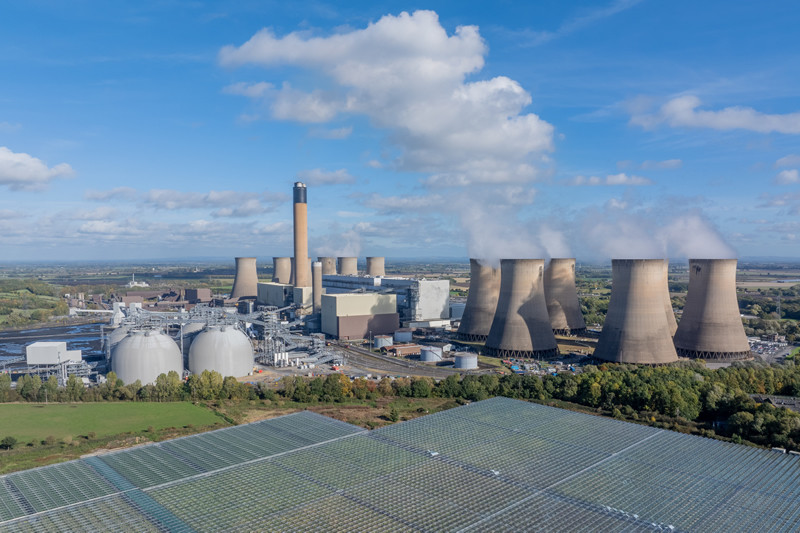
14th July 2025 - Carbon Capture Surges as Economics Policy & Industry Demand Align
After years of skepticism and stalled progress, carbon capture and storage (CCS) is experiencing a dramatic resurgence. Once criticised as too costly, unreliable, or a lifeline for fossil fuels, CCS is now expanding rapidly driven by technological improvements, strong policy support, and rising demand from sectors like AI and data centers.
Read More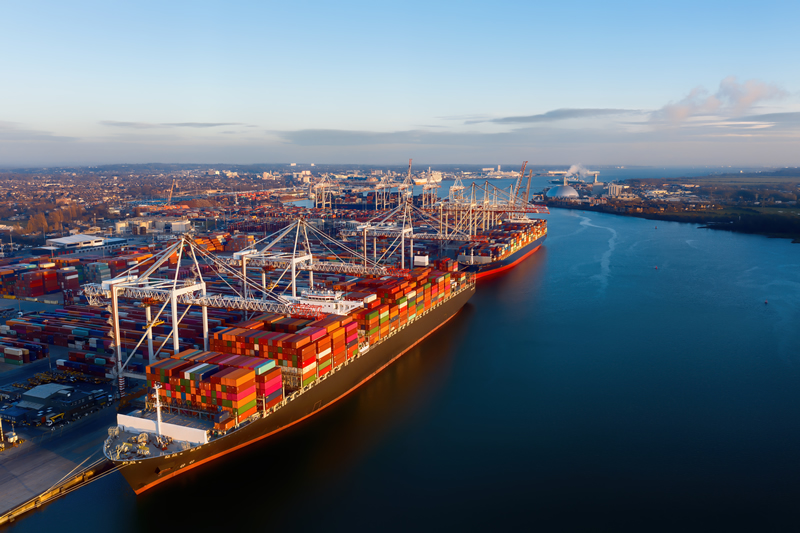
7th July 2025 - GHG Emissions At Ports On The Rise Despite Initiatives
A new study has revealed that greenhouse gas (GHG) emissions at major global ports are still rising, despite advances in technology and sustainability initiatives. The report, titled “Quantifying Port Carbon Footprints: Container Vessel Emissions Analysis in Major Global Terminals,” analyses emissions from container shipping operations at key ports in Europe, North America, and Asia. It shows that factors like port congestion and operational inefficiencies significantly affect emissions levels.
Read More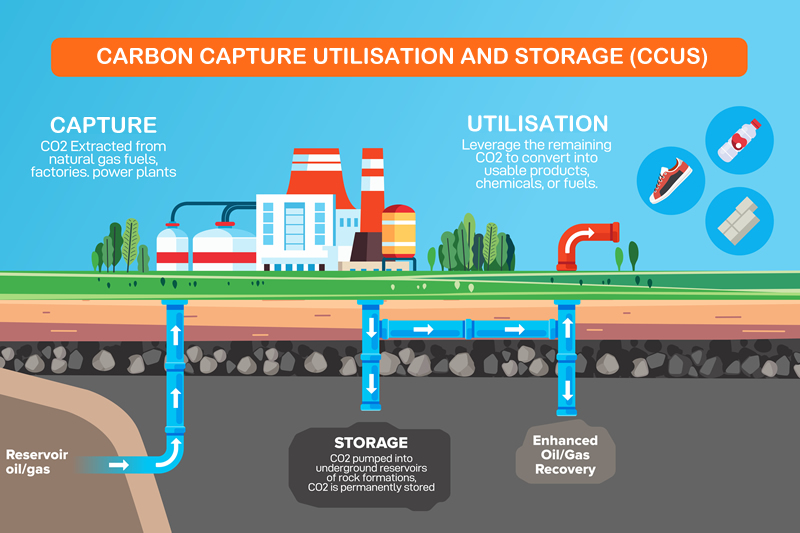
30th June 2025 - Carbon Capture Utilisation & Storage In A Nutshell
CCUS is a climate technology that captures carbon dioxide (CO2) emissions from industrial processes and power generation, then either uses it in other applications or stores it permanently underground to prevent it from entering the atmosphere
Read More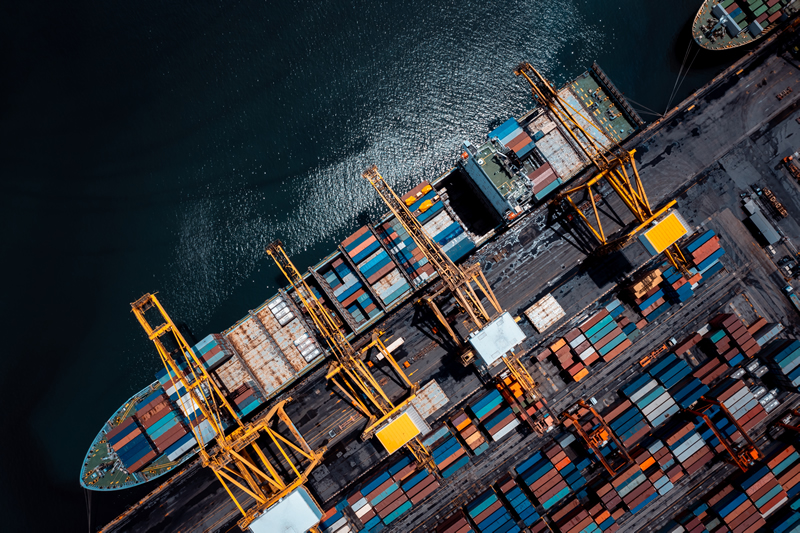
23rd June 2025 - Carbon Capture Reducing Maritime Shipping Emissions
Maritime shipping is responsible for around 3% of global greenhouse gas emissions, making decarbonisation of the sector essential to achieving international climate goals. Industry leaders have recognised the urgency, committing to net-zero emissions by 2050, but reaching that target will require overcoming significant challenges.
Read More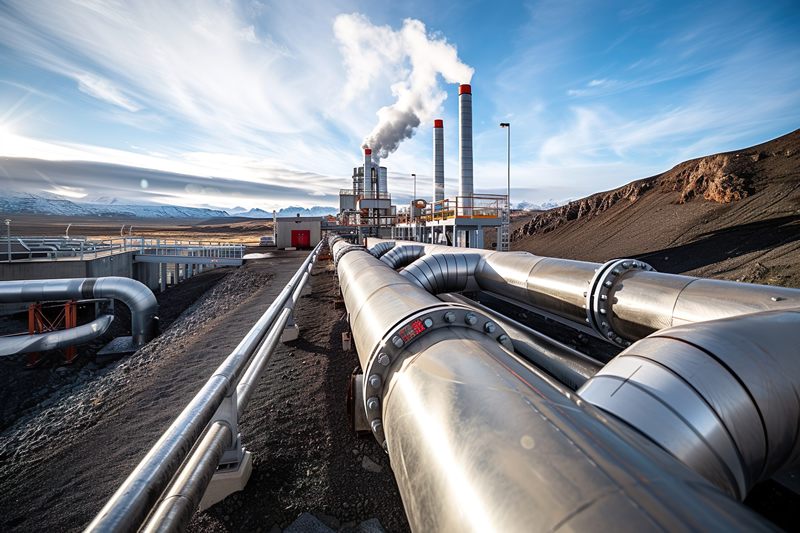
16th June 2025 - UK Approves Viking CCS Pipeline to Support Major Carbon Capture Efforts
The UK government has granted formal approval for the Viking onshore pipeline, a £200 million (~$250 million) project that will play a central role in large-scale carbon capture and storage (CCS) initiatives off the coast of Lincolnshire.
Read More