Protea News
14th January 2025 - Exciting Plans for 2025!
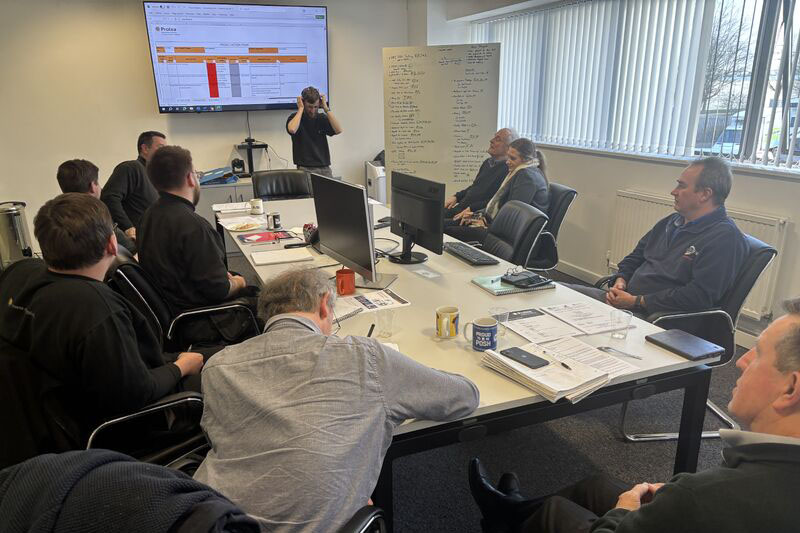
Our Peterborough Site recently came together for an engaging session focused on our 2025 goals and R&D projects. This productive meeting was a fantastic opportunity to discuss live projects, share new ideas, and spark creativity.
Read More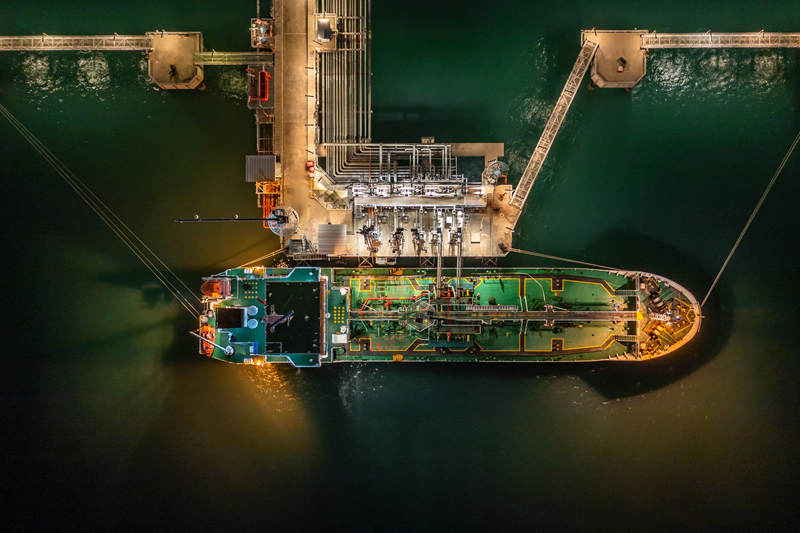
13th January 2025 - Shipping Emissions Significantly Reduced By Sailing Slower Analysis Shows
Slow Steaming and Emissions Reduction: Insights from Transport & Environment (T&E) has reinforced its advocacy for slow steaming by publishing models on its website. According to their analysis, a container ship traveling between Rotterdam and Shanghai at 75% of its maximum speed could reduce carbon emissions by 47%. Although this approach decreases container capacity, T&E concludes that adding one additional ship for every four vessels would still result in a net reduction of CO2 emissions by 34%, provided all ships operate at three-quarters speed.
Read More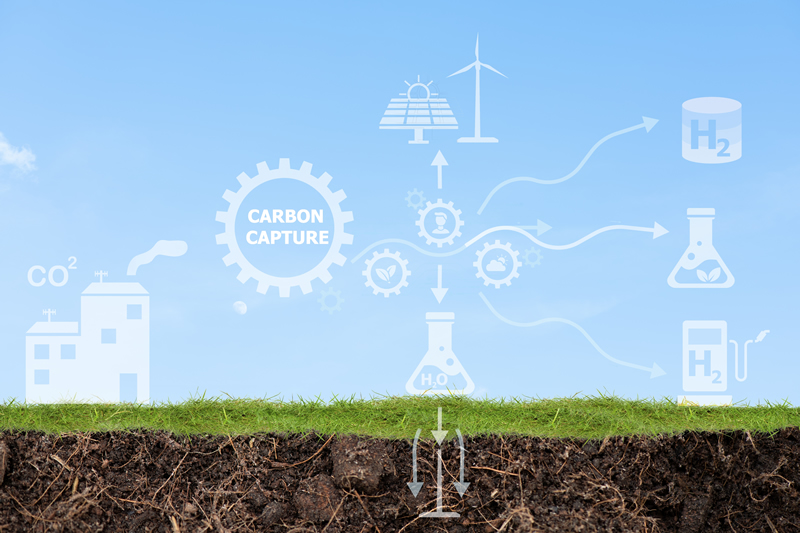
6th January 2025 - DESNZ Carbon Capture Business & Waste Industrial Model Launched
The Subsidy Advice Unit (SAU) has released a detailed report offering advice to the Department for Energy Security and Net Zero (DESNZ) on proposed subsidy schemes for Industrial Carbon Capture (ICC) and Waste ICC business models.
Read More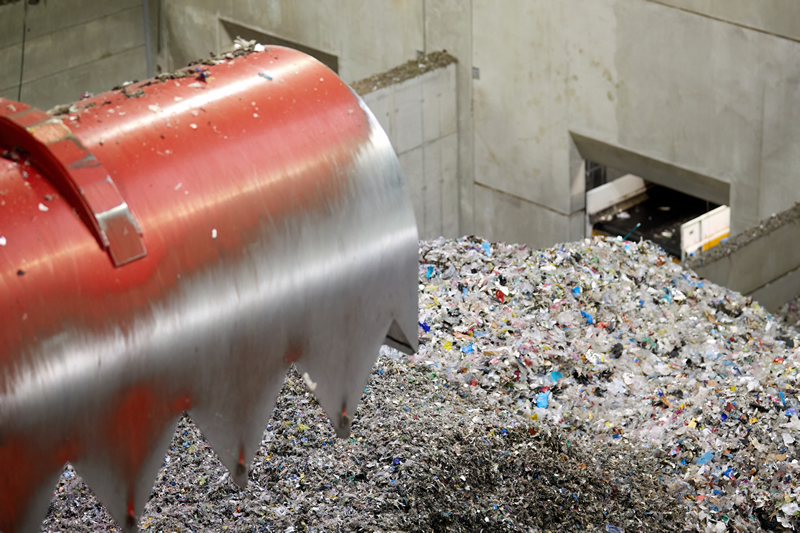
30th December 2024 - Energy From Waste Combined With Carbon Capture & Storage
Deploying Carbon Capture and Storage (CCS) in the UK’s Energy from Waste (EfW) sector could deliver significant economic and environmental benefits. According to a new report by ERM, commissioned by Viridor, this initiative could attract £19 billion in investment by 2050, create over 14,000 green jobs, and generate nearly £40 billion in Gross Value Added (GVA). These developments are expected to stimulate further CO2 transport and storage infrastructure, providing a boost to the UK’s historic industrial regions and aligning with the government’s regional growth strategies.
Read More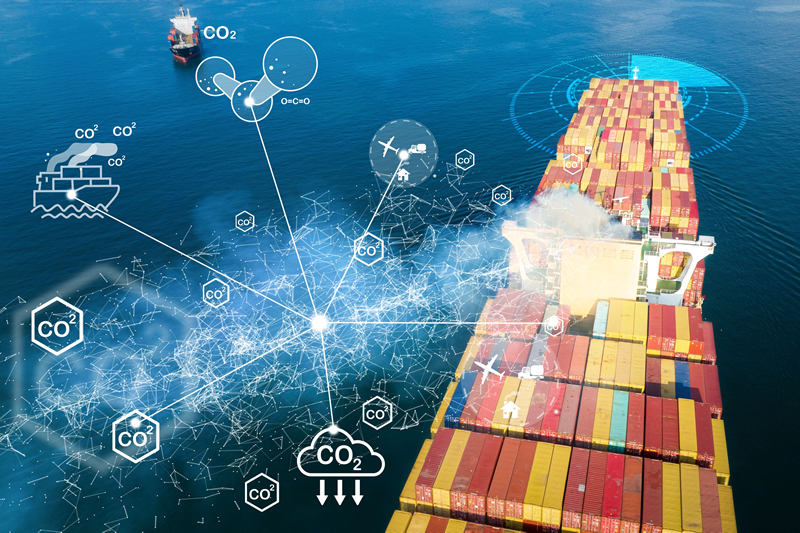
23rd December 2024 - Shipping Emissions In 2024 Return To 2008 Levels
Rising GHG emissions and slowing carbon intensity reductions in shipping. A new report from UCL and UMAS reveals increasing greenhouse gas (GHG) emissions and slowing reductions in carbon intensity in international shipping between 2018 and 2022. Building on the IMO’s Third and Fourth GHG Studies, to which both organisations contributed, the report provides critical insights into the sector’s response to global events and policy developments.
Read More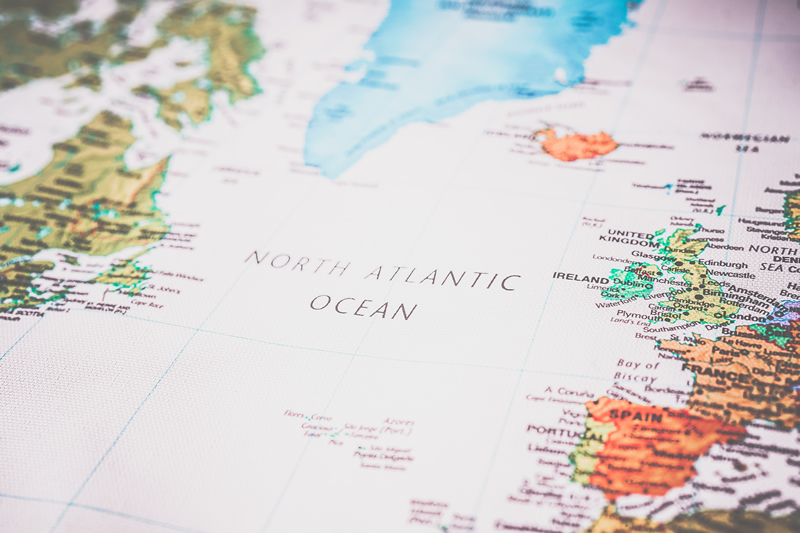
16th December 2024 - North Atlantic Shipping Emission Control Zone Proposed
Designating a North Atlantic Emission Control Area (ECA) could yield substantial environmental and public health benefits, according to a new analysis by the International Council on Clean Transportation (ICCT). The report highlights how such a zone could prevent thousands of premature deaths by reducing harmful emissions from shipping in the region.
Read More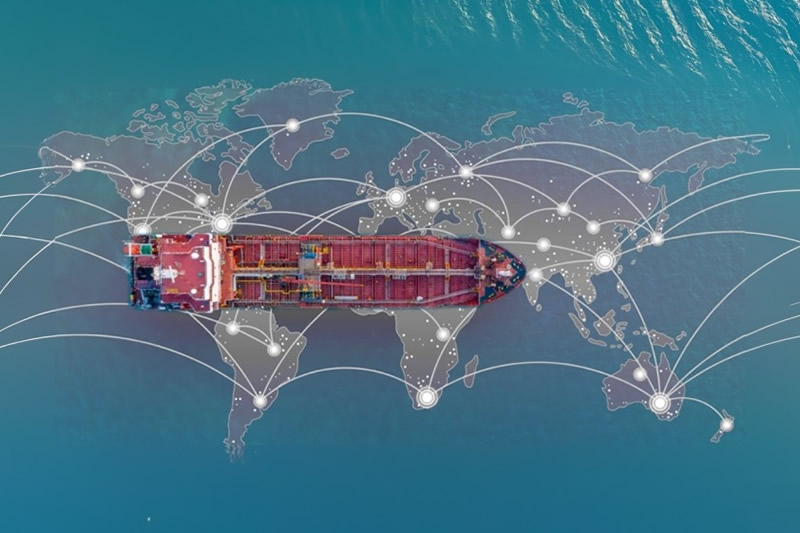
12th December 2024 - A Four-Way Approach to Decarbonising Shipping
Decarbonising the shipping industry is critical for achieving global emissions targets. The industry currently employs four main strategies: legislation and government controls, transitioning to low-emission fuels, enhancing energy efficiency, technological advancements in engine monitoring and boosting energy efficiency in shipping. These complementary approaches can significantly reduce greenhouse gas (GHG) emissions and are pivotal for achieving net-zero goals.
Read More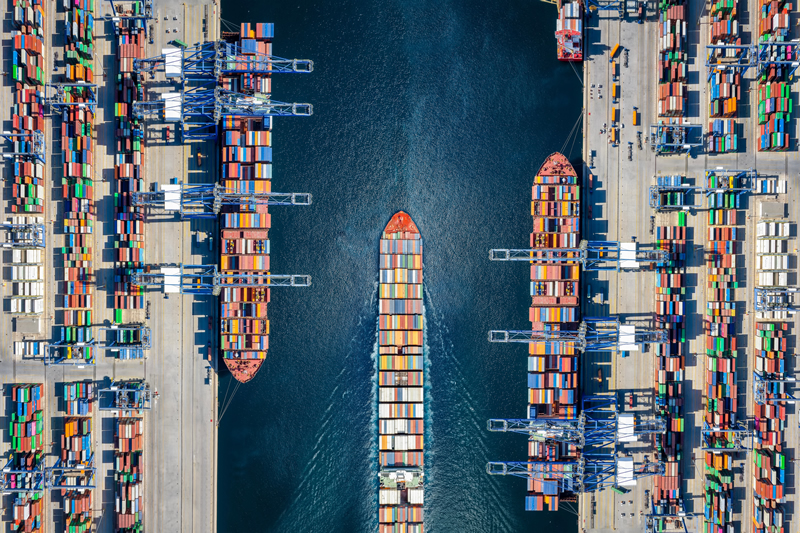
2nd December 2024 - Container Shipping Carbon Emissions Reach Record High
In Q3, the ocean container shipping industry experienced record-high carbon emissions, driven by the ongoing conflict in the Red Sea, escalating freight rates, and global supply chain congestion. The Xeneta and Marine Benchmark Carbon Emissions Index (CEI), which tracks emissions across Xeneta’s 13 main ocean container routes, reached an unprecedented 107.9 points. This figure represents a 12.2% increase compared to the previous year, prior to the Red Sea crisis.
Read More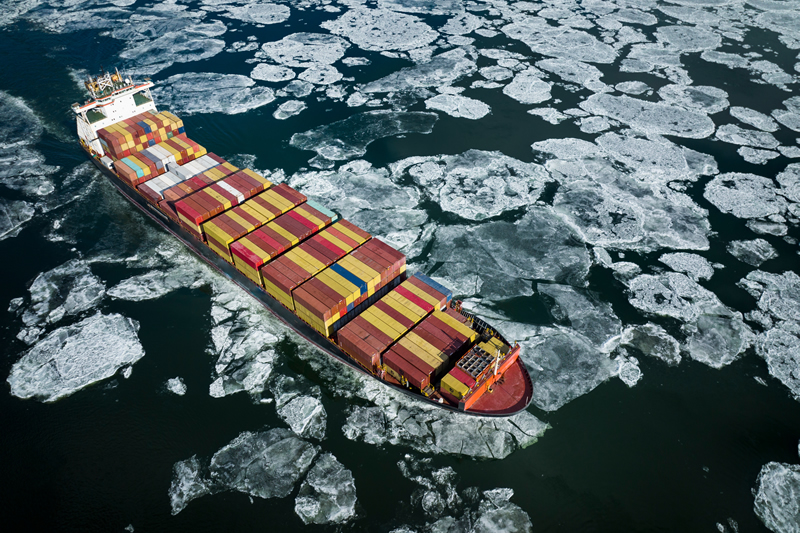
25th November 2024 - Marine Environment Protection Committee MEPC 82 Update
The Marine Environment Protection Committee (MEPC) convened for its 82nd session at the IMO Headquarters in London, concluding a pivotal year for environmental challenges in the marine and shipping sectors. MEPC 82 covered a broad range of topics, including proposed mid-term strategies for reducing greenhouse gas (GHG) emissions from ships, enhancing shipping energy efficiency, managing marine litter, addressing ballast water management, and mitigating underwater noise.
Read More
18th November 2024 - UK Government Commits £3.9bn To Fund Carbon Capture & Storage Projects Between 2025-2026
The UK's new government has released its first budget since assuming office over the summer, committing billions to support clean hydrogen subsidies and carbon capture and storage (CCS) infrastructure. Among the key allocations, £3.9 billion has been earmarked for CCS projects between 2025 and 2026. According to the budget, this funding aims to “decarbonise industry, support flexible power generation, and leverage the UK’s geographic and technical advantages.”
Read More
12th November 2024 - Reducing Shipping Greenhouse Gas Emissions Guidance Announced By The ICS
The International Chamber of Shipping (ICS) has released an updated guide focused on reducing greenhouse gas (GHG) emissions from ships. As one of the largest global transportation sectors, shipping faces significant regulatory hurdles in meeting international GHG reduction targets. This new edition consolidates complex regulations, offering a thorough overview that aids compliance with the 2021 amendments to MARPOL Annex VI, the revised 2023 IMO GHG Strategy, and the newly implemented EU Emissions Trading System (EU ETS).
Read More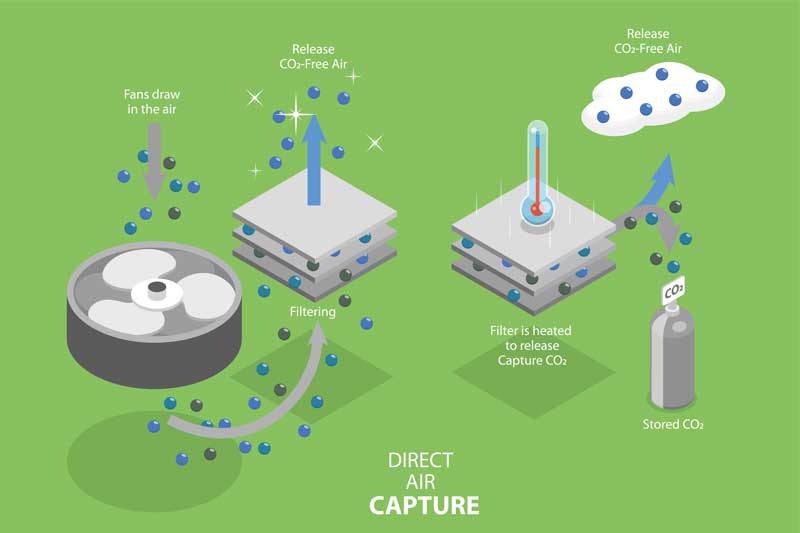
4th November 2024 - Direct Air Capture (DAC) Testing With FTIR
Removal of CO2 from the atmosphere itself, rather than at the emission source, has been proposed as a technology to slow the rate of global temperature rises. Protea’s analysers are used to test this technology. Using Protea’s FTIR gas analyser, developers of Direct Air Capture (DAC) technology have been able to show the efficiency of removal of CO2 from the atmosphere. By using a hybrid FTIR that can be used in a fixed cabinet but also removed for portable use, technologists have carried out testing across multiple sample locations within pilot plants.
Read More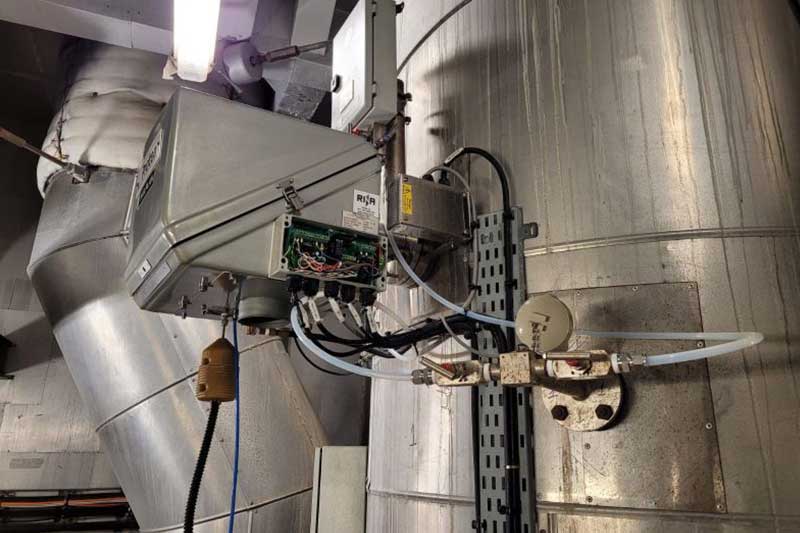
30th October 2024 - Protea’s Marine Emissions Monitoring System Performs on Prestigious Cruise Liner
Protea recently demonstrated the performance of our marine emissions monitoring system aboard a prestigious cruise liner.
Read More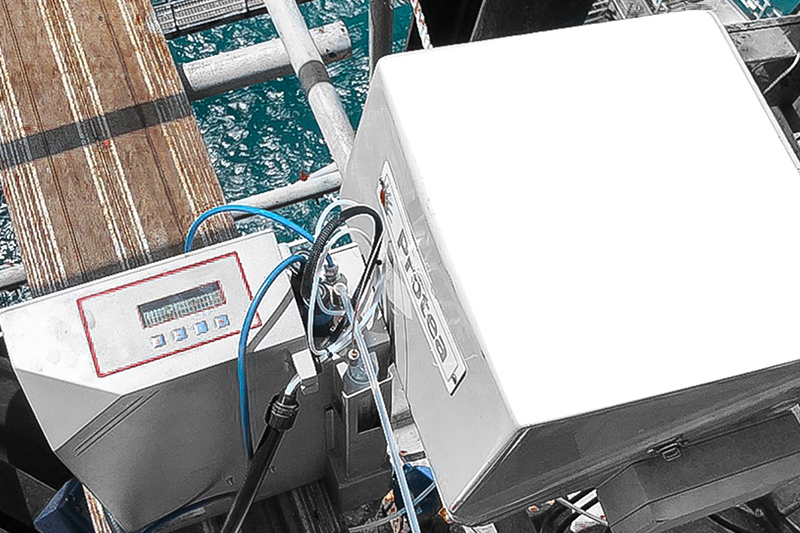
28th October 2024 - Onboard Carbon Capture From Shipping
Protea’s marine approved gas analysers have been successfully used on several carbon capture projects for the marine sector. Removal of CO2 from ship emissions is a key area to achieve net zero. With increasing pressure to reduce greenhouse gas emissions, the marine industry is turning to carbon capture technology as a key strategy to meet regulatory requirements and achieve environmental goals. Carbon capture systems onboard vessels are designed to capture CO2 emissions before they are released into the atmosphere, significantly reducing the carbon footprint of maritime operations.
Read More
21st October 2024 - Amine Emission Monitoring With Multi-Gas FTIR Technology
Protea have wide experience detecting and monitoring a wide range of amine-based compounds and their derivatives within CCS processes. Protea’s multi-gas FTIR technology is proven in both continuous and portable applications to detect and measure amine species from CO2 capture processes.
Read More
14th October 2024 - UK Government Commits £22bn To Carbon Capture & Storage Technology
The UK government’s pledge of £22bn to fund carbon capture and storage (CCS) has been hailed as a potential safeguard for certain industry jobs. While this costly technology is seen as essential to meeting the UK's climate goals, environmental groups have raised concerns that its misuse could extend reliance on fossil fuels.
Read More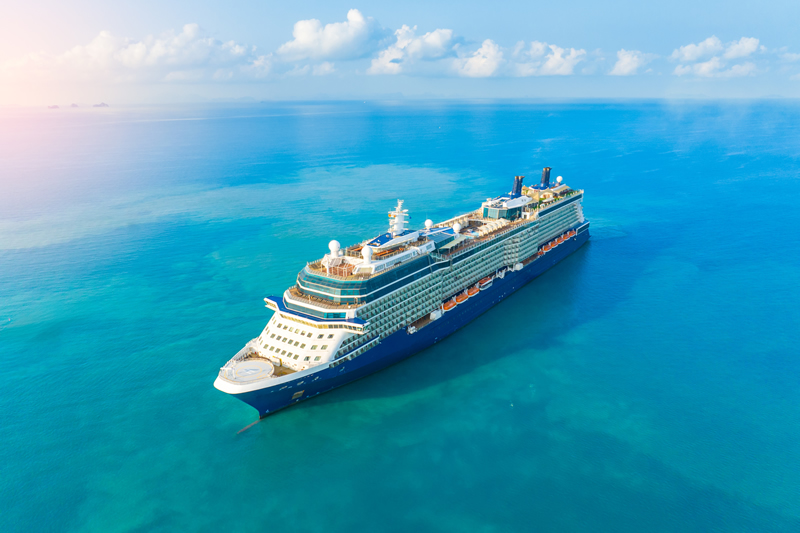
30th September 2024 - As Cruise Ships Increase In Size Carbon Emissions Follow Suit
The rapid growth in cruise ship sizes and the rising popularity of cruise holidays come at a steep environmental cost, according to a new report by Transport & Environment (T&E). The world’s largest cruise ships are now twice as big as they were in 2000, and if this trend continues, by 2050, cruise ships could reach 345,000 gross tonnage, nearly eight times the size of the Titanic.
Read More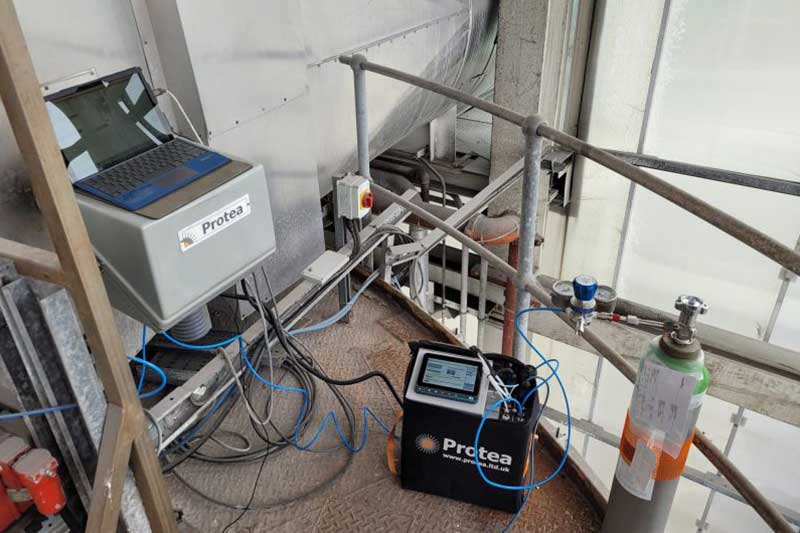
26th September 2024 - Ensuring Clean Incineration: The Importance of Raw Gas Monitoring
This week, our service team visited one of our UK sites to support the calibration of one of our robust instruments.
Read More
23rd September 2024 - US Congress Urge For An Executive Order On Maritime Decarbonisation
A group of U.S. Congress members is urging President Joe Biden to issue an Executive Order (EO) to accelerate maritime decarbonisation. Their proposals include implementing a goal-based fuel standard for ships entering U.S. ports, phasing out and banning sulphur scrubbers in U.S. waters, and eliminating in-port ship emissions by 2030.
Read More
19th September 2024 - FTIR Theory and Advanced Data Analysis Course: Enhance Your Expertise with Protea
Following the success of our previous training session, Protea is pleased to offer another FTIR Theory and Advanced Data Analysis Course led by our in-house experts. This course is designed to provide in-depth knowledge of FTIR technology, along with advanced techniques for data analysis, offering valuable insights and practical skills to enhance your understanding.
Read More
16th September 2024 - UK Government Could Miss 2030 Carbon Capture Target
The National Audit Office (NAO) has warned that the Department for Energy Security and Net Zero (DESNZ) may fail to meet its 2030 carbon capture target. Carbon capture and storage (CCUS), a key component of the Government's strategy to achieve the UK’s net zero goal by 2050, involves trapping carbon emissions and storing them underground. This technology is considered essential for decarbonising hard-to-abate sectors like cement production, but it remains in its early stages, and doubts persist about the long-term effectiveness of carbon storage.
Read More