Protea News

2nd September 2024 - Breakthrough Carbon Storage Technology Promises Rapid Chemical-Free Solution
Researchers at The University of Texas at Austin have developed a groundbreaking method for storing carbon captured from the atmosphere, which outpaces current techniques in both speed and environmental impact. Their recent study, published in ACS Sustainable Chemistry & Engineering, introduces a novel approach for the ultrafast formation of carbon dioxide hydrates. These ice-like compounds can be submerged in the ocean, effectively sequestering carbon dioxide and preventing its release back into the atmosphere.
Read More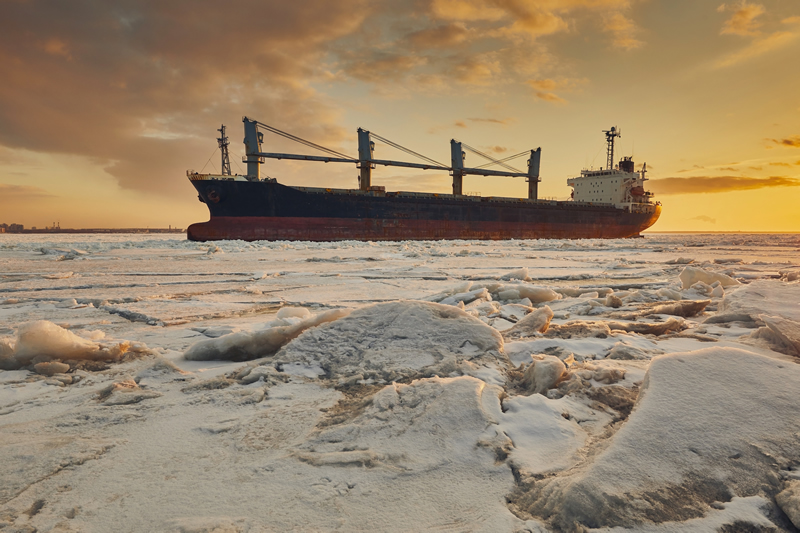
27th August 2024 - LR Report Offers Insight Into Nuclear Powered Shipping
A new report titled "Fuel For Thought" undertaken by is stating that nuclear power holds the potential to revolutionise the maritime industry by enabling emissions-free shipping, extending vessel life cycles, and eliminating uncertainties related to fuel and refueling infrastructure. However, the widespread commercial adoption of nuclear power in shipping hinges on addressing critical regulatory and safety concerns, according to Lloyd’s Register’s (LR) "Fuel for Thought - Nuclear" report.
Read More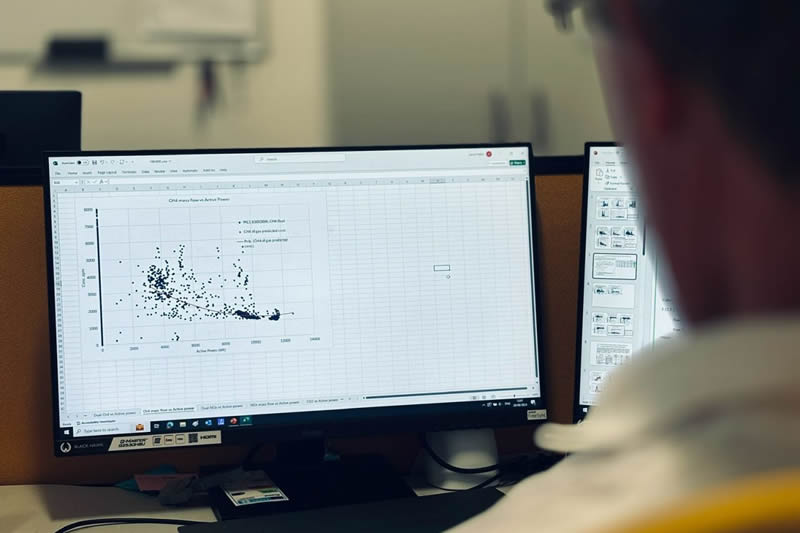
21st August 2024 - Real Time Marine Fuel Consumption Data Analysis
As the maritime sector transitions away from traditional analogue methods, data logging has become crucial for optimising emission efficiency. With advancements in computing and technology, it is essential that data collection and transmission are not only accurate but also actionable. Our system provides key metrics, such as engine performance, which can be leveraged to predict fuel consumption and forecast emissions.
Read More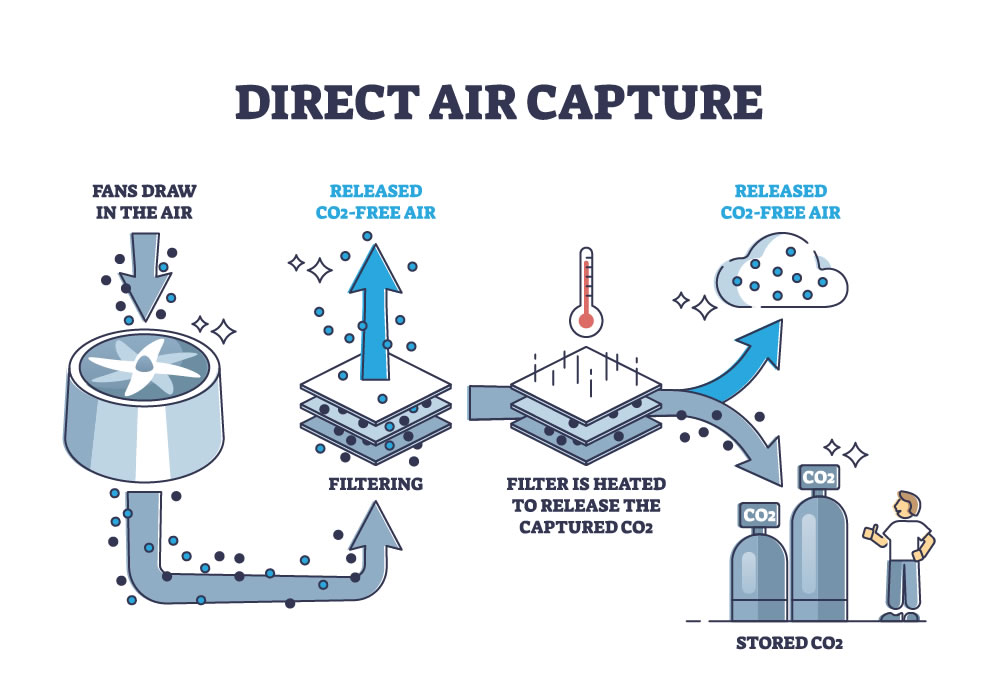
19th August 2024 - Direct Air Capture As A Crucial Tool for Achieving Climate Goals
In 2023, global carbon dioxide emissions exceeded 37 billion metric tons, setting a new record. As a result, the concept of removing CO2 from the atmosphere has gained significant traction. Governments worldwide are increasingly investing in direct air capture (DAC) technology to meet climate targets and mitigate the worst effects of climate change.
Read More
16th August 2024 - UK Government Could Miss 2030 Carbon Capture Target
The National Audit Office (NAO) has warned that the Department for Energy Security and Net Zero (DESNZ) may fail to meet its 2030 carbon capture target. Carbon capture and storage (CCUS), a key component of the Government's strategy to achieve the UK’s net zero goal by 2050, involves trapping carbon emissions and storing them underground. This technology is considered essential for decarbonising hard-to-abate sectors like cement production, but it remains in its early stages, and doubts persist about the long-term effectiveness of carbon storage.
Read More
12th August 2024 - European Commission Approves €3 Billion Swedish Carbon Dioxide Capture and Storage Project
The European Commission has approved a €3 billion (SEK 36 billion) Swedish State aid scheme to support carbon capture and storage (CCS) initiatives aimed at reducing carbon dioxide (CO2) emissions from biomass combustion or processing. This measure aligns with Sweden's climate targets and the EU's strategic objectives under the European Green Deal, particularly the goal of climate neutrality by 2050.
Read More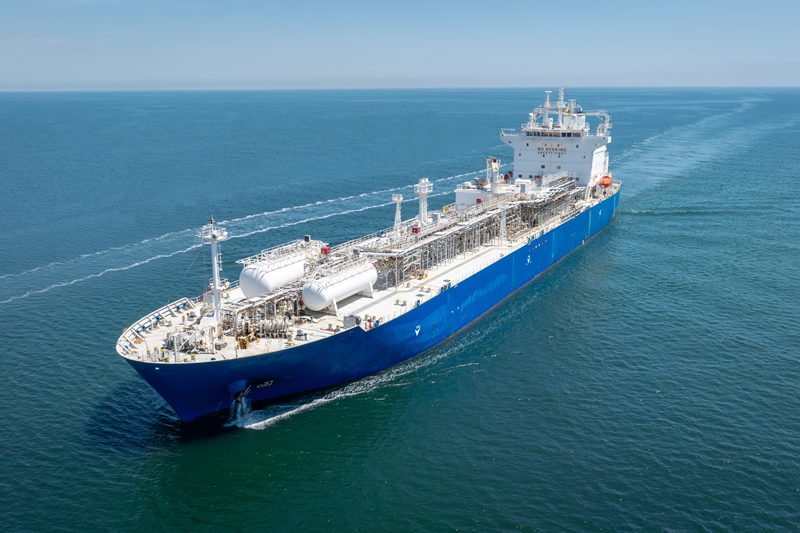
5th August 2024 - Study Finds Ammonia As Marine Fuel Poses Risk To Public Health
Carbon-free ammonia has been touted as the future of green shipping fuel, with orders already placed for the first ammonia-powered dual-fuel vessels. However, a new study from the Massachusetts Institute of Technology (MIT) reveals that burning ammonia could worsen air quality and lead to hundreds of thousands of premature deaths annually.
Read More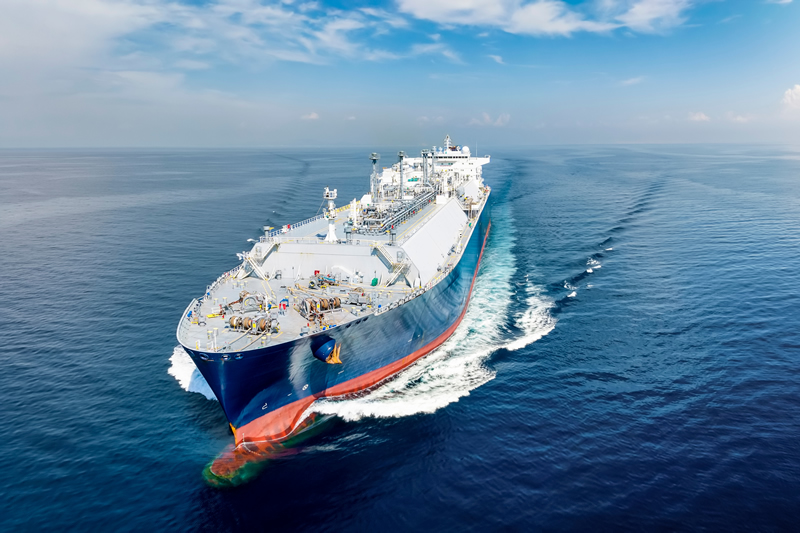
29th July 2024 - Onboard Carbon Capture (OCC) Is Gaining Increasing Interest
A new white paper from DNV states that the successful commercial adoption of onboard carbon capture (OCC) hinges on collaboration among regulators, policymakers, industry stakeholders, classification societies, and suppliers. The white paper, titled "The Potential of Onboard Carbon Capture in Shipping," examines OCC as a decarbonisation solution for the shipping industry. It addresses the technical, economic, operational, and regulatory challenges, as well as its integration into the carbon capture, utilisation, and storage (CCUS) value chain.
Read More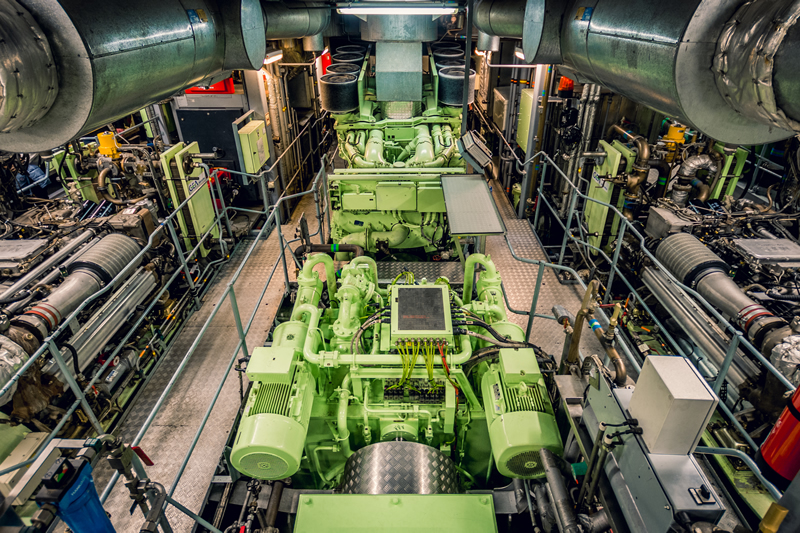
22nd July 2024 - Long Term Potential For Increased Shipping Efficiency Report Released
Maritime shipping is highly fuel-efficient, but its vast scale and rapid growth make it a major energy consumer and a significant source of carbon emissions. As the shipping industry and governments seek ways to reduce the sector's overall energy and carbon footprint, many questions remain unanswered. Key among these are the extent of variation in real-world fleet efficiency and the speed at which the industry can adopt best technical and operational practices to enhance efficiency.
Read More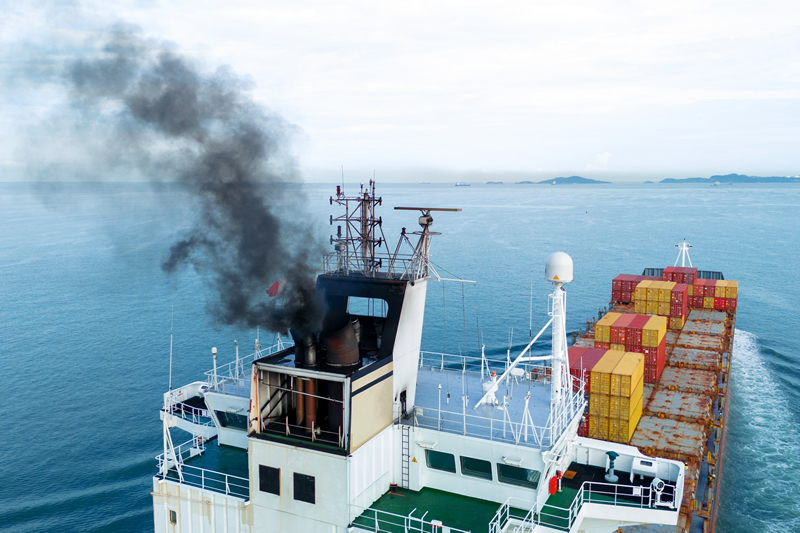
15th July 2024 - Report Highlights Nine Billion Tonnes Removal Of CO2 Annually to Meet Climate Goals
A recent report co-led by researchers from the University of Oxford, the 2024 State of Carbon Dioxide Removal, indicates that to meet the 1.5°C target set by the Paris Agreement, the world must remove approximately 7 to 9 billion tonnes of CO2 from the atmosphere each year by mid-century. The report emphasises that while reducing emissions remains the primary strategy for achieving net-zero, Carbon Dioxide Removal (CDR) is also crucial.
Read More
8th July 2024 - Support For A Global Shipping Industry Emissions Levy Grows
Following on from the two new Emission Control Areas (ECAs) in the world's seas and oceans in the Canadian Arctic Waters and in the Norwegian Sea, the majority of UN International Maritime Organisation (IMO) member states have called for a standard levy on greenhouse gases. This proposed new levy, along with a fuel standard requiring ships to gradually increase their use of green energy, has the potential to transform global trade into a zero-carbon industry. However, it must first navigate challenging political waters at the UN agency.
Read More
3rd July 2024 - German Government Approves Carbon Capture and Hydrogen Plans
The German government has recently approved significant draft legislation aimed at accelerating the integration of hydrogen and carbon capture technologies into the country’s energy and industrial systems. These technologies are viewed as essential for Germany's goal of becoming carbon neutral by 2045 while maintaining its heavy industries, according to government sources.
Read More
24th June 2024 - Wealthy Nations Must Cut Emissions Quicker Than Developing Peers
Wealthy states must accelerate emission cuts, court rules in climate justice milestone. The International Tribunal on the Law of the Sea (ITLOS) has issued an advisory opinion asserting that wealthy states must reduce their emissions more rapidly than their developing counterparts, marking a significant step for climate justice. Advocacy groups celebrate this "landmark opinion" as it strengthens the legal framework for addressing climate change impacts on the marine environment and is expected to clarify international law in the context of the law of the sea.
Read More
17th June 2024 - Calls For A Europe Carbon Capture & Storage Tsar
Industry groups and major oil companies are urging the European Union (EU) to appoint a dedicated carbon capture and storage (CCS) envoy to promote this climate solution, despite ongoing skepticism. Euronews Green reported Wednesday that supporters believe a dedicated envoy could enhance the EU's efforts in capturing and permanently storing carbon dioxide underground. However, critics argue that focusing on CCS might distract from the urgent need to reduce fossil fuel consumption.
Read More
10th June 2024 - Research Reveals Significant Emissions From Ship Scrubbers
In just one year, ships using exhaust gas abatement technology, known as scrubbers, released 200 million cubic meters of environmentally and health-hazardous washing water into the Baltic Sea. This unique study, commissioned by the Swedish Transport Agency and the Swedish Agency for Marine and Water Management, investigated the environmental impact of scrubbers in the Baltic Sea compared to other sources of environmental contaminants.
Read More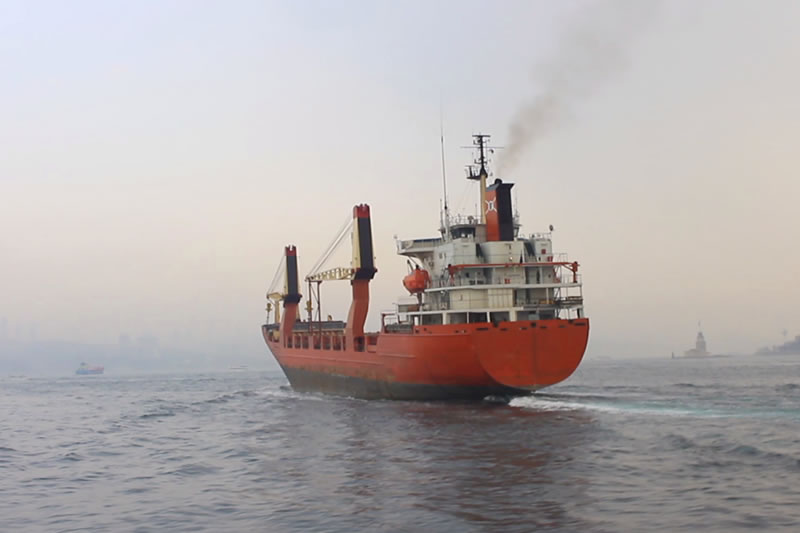
7th June 2024 - How Do We Actually Decarbonise Maritime Shipping Activity?
To successfully decarbonise and mitigate climate change, industry stakeholders, governments, and regulatory bodies should collaborate and promptly establish a consensus on future regulatory frameworks and greenhouse gas (GHG) mitigation measures. Such regulations are governed by the International Maritime Organization (IMO), which has set short and long-term goals for the Marine industry, including ambitious net-zero emissions for the maritime industry.
Read More
27th May 2024 - Direct Air Carbon Capture & Storage (DACCS)
A government-funded report cautions that the UK must allocate up to £30 billion towards establishing a network of large-scale air purification systems aimed at extracting CO2 from the atmosphere to achieve net zero emissions. These 'direct air carbon capture systems' would have the capacity to extract up to 48 million tonnes of CO2 annually, subsequently injecting it into decommissioned oil and gas reservoirs beneath the North Sea or Irish Sea. The report, authored by Energy Systems Catapult (a government-backed organisation fostering innovation) asserts that without such an initiative, the UK will fail to meet its goal of achieving net zero emissions by 2050.
Read More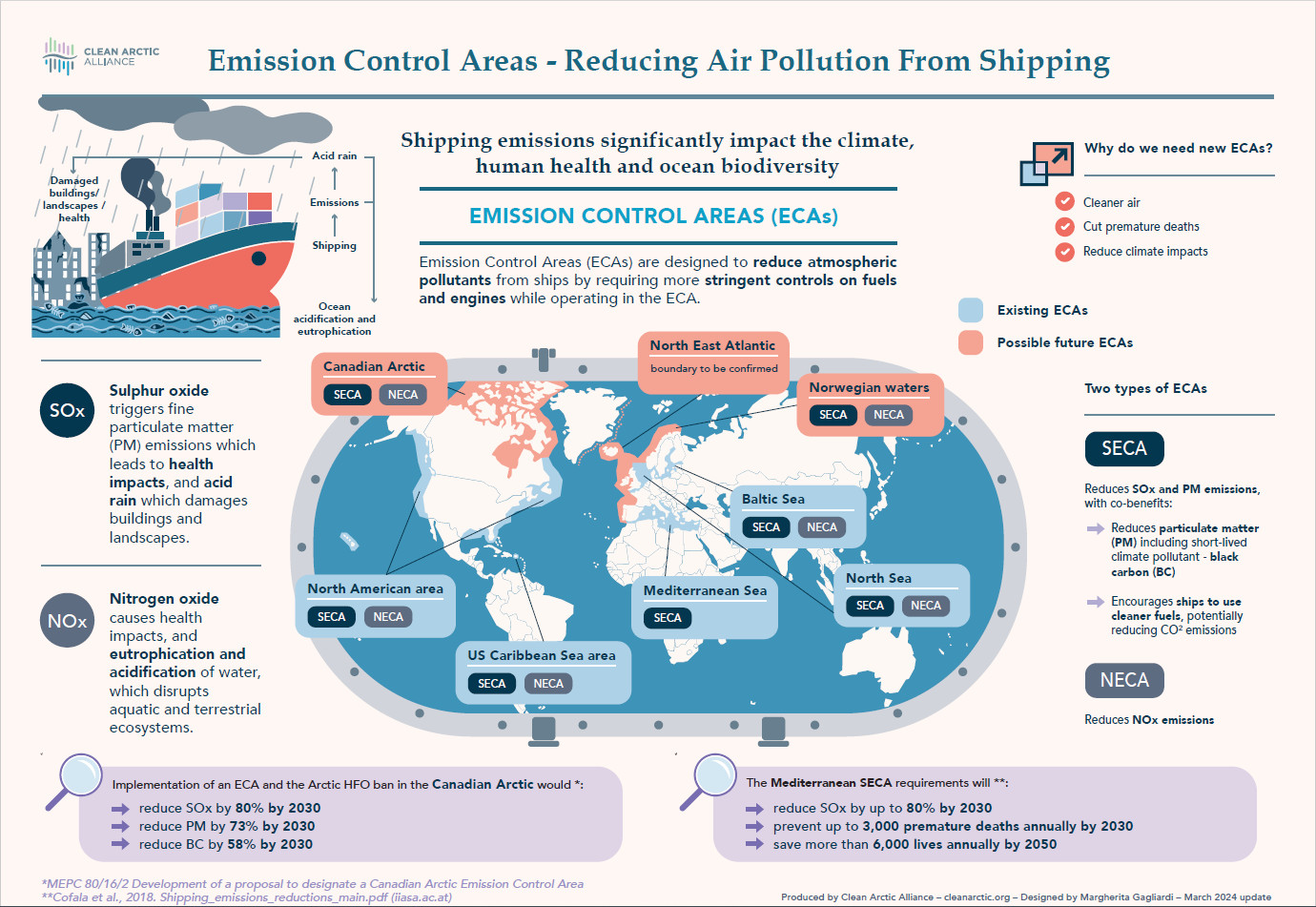
20th May 2024 - Spotlight On The New Emission Control Area In Canadian Arctic Waters
The benefits of establishing an Emission Control Area (ECA) in Canadian Arctic waters support measures that would not only diminish harmful air emissions from ships, leading to improved air quality for northern communities, but also yield positive outcomes for marine and terrestrial ecosystems and wildlife. Furthermore, it would play a role in mitigating climate-forcing black carbon pollution in the Arctic. The recently announced ECAs in Canadian Arctic waters is poised to make substantial strides in reducing ship-related air pollution in the Arctic region.
Read More
13th May 2024 - Carbon Capture Markets To Increase Up To 2030 & Beyond
Carbon Capture and Storage (CCS) is emerging as a crucial technology for climate mitigation. Prominent analyses by the IEA, IPCC, and the Energy Transition Commission (ETC) all project that by 2050, large-scale deployment of CCS in the gigatonne range will be necessary. However, despite its pivotal role, current deployment levels fall well short of what is necessary to fully realise the technology's potential. Both governments and the private sector face significant challenges in financing and scaling CCS projects.
Read More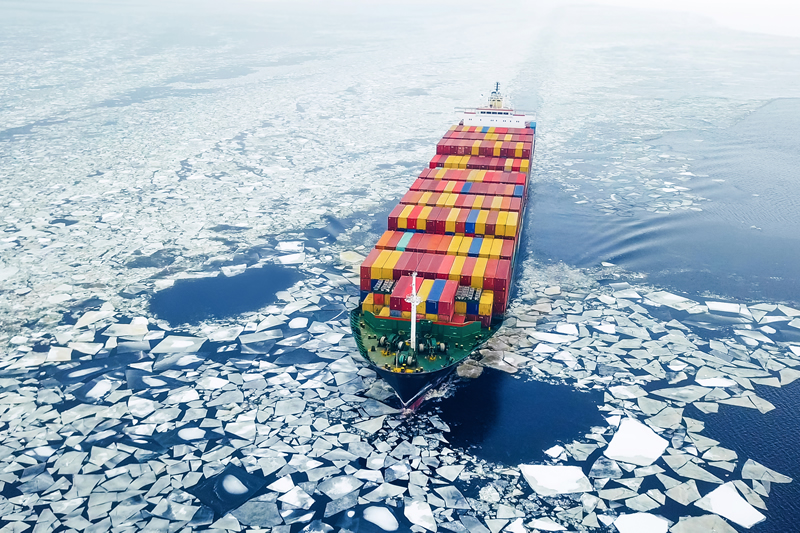
7th May 2024 - Two New Emission Control Areas (ECAs) Support A Global Carbon Emissions Levy in the Shipping Sector
Two fresh Emission Control Areas (ECAs) have garnered support from the International Maritime Organisation's Marine Environment Protection Committee (MEPC 81), marking a significant step towards implementing a global carbon emissions tax within the shipping industry. MEPC 81, convened recently in London, greenlit the establishment of two distinct ECAs: one in Canadian Arctic Waters targeting nitrogen oxides, sulphur oxides, and particulate matter, and another in the Norwegian Sea addressing nitrogen oxides and sulphur oxides. These proposals are now poised for submission to MEPC 82 for final adoption.
Read More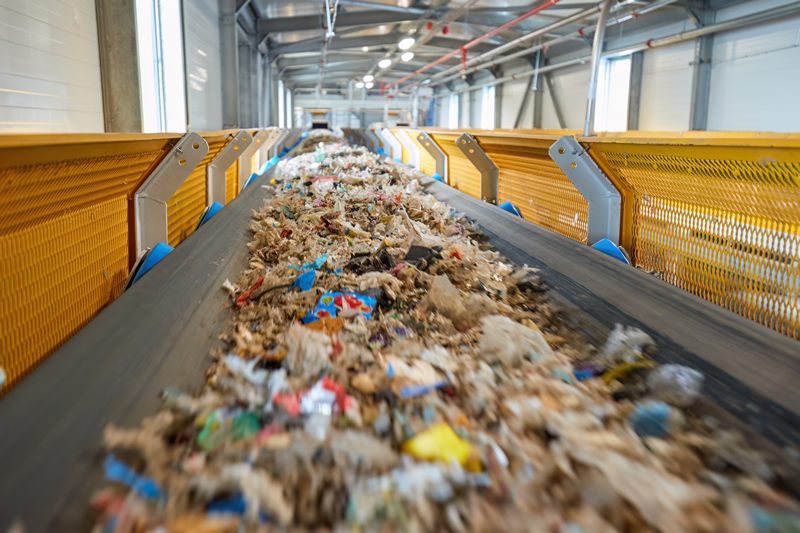
29th April 2024 - UK's First Waste To Energy Carbon Capture Pilot Plant Unveiled
Enfinium, a waste-to-energy operator based in the UK, has unveiled plans to inject £800 million into a carbon capture and storage (CCS) venture at its facility in West Yorkshire. Teaming up with green technology firm Hitachi Zosen Inova, Enfinium intends to set up the UK’s maiden energy-from-waste carbon capture pilot at its Ferrybridge-1 plant in West Yorkshire.
Read More